
Baltimore row homes have a character all their own. From the brick facades of Federal Hill to the painted ladies of Hampden, these houses are part of what makes our city unique. If you own a row home in Baltimore and are thinking about a renovation, you are considering a project that can transform your living space while respecting the history of your neighborhood. Whether you are looking to update a kitchen, add a bathroom, finish a basement, or even build a small addition, understanding the process specific to Baltimore row homes is crucial. This guide offers practical advice for homeowners planning a renovation in 2026 and beyond. We will talk plainly about what to expect, from permits to timelines, so you can approach your project with confidence.
Why Baltimore Row Home Renovations are Different
Renovating a row home in Baltimore presents its own set of challenges and opportunities compared to a detached house in the suburbs. The shared walls, often called party walls, are a primary difference. These walls are structural and require careful consideration and sometimes specific engineering if you plan any major modifications to them. Limited access to the rear of the property is another common issue, especially in neighborhoods like Canton or Fells Point, where alleys might be narrow or non-existent. This can affect how materials are delivered and how debris is removed, potentially adding to project logistics and cost.
Many row homes also have older infrastructure. We often encounter original plumbing, electrical systems, and HVAC that are decades old. Updating these systems is frequently a significant part of any major renovation, bringing the home up to current safety codes and improving efficiency. For example, replacing knob and tube wiring with modern electrical systems is a common upgrade that improves safety and allows for more power for today's appliances. Understanding these unique aspects from the start helps set realistic expectations for your project in Baltimore.
Do You Need a Permit for Your Baltimore Row Home Renovation?
The short answer is usually yes, especially for anything beyond cosmetic changes. In Baltimore City, the Department of Housing and Community Development (DHCD) oversees building permits. Any work that involves structural changes, plumbing, electrical, or mechanical systems will require a permit. This includes moving walls, adding new fixtures, changing the layout of a kitchen or bathroom, or finishing a basement. Even replacing a window or door in a historic district might require specific approvals.
Ignoring the permit process can lead to serious problems, including fines, stop-work orders, and the potential for having to tear out completed work. More importantly, unpermitted work can pose safety hazards and make it difficult to sell your home down the road. A reputable contractor, like Top Notch Contractors, will handle the permit application process for you. We understand the specific requirements for Baltimore City and will make sure all necessary plans and inspections are completed correctly. Our MHIC# 05-147079 means we are licensed to do this work in Maryland, and we take the permit process seriously to protect our clients and their homes.
Budgeting for a Baltimore Kitchen Remodel
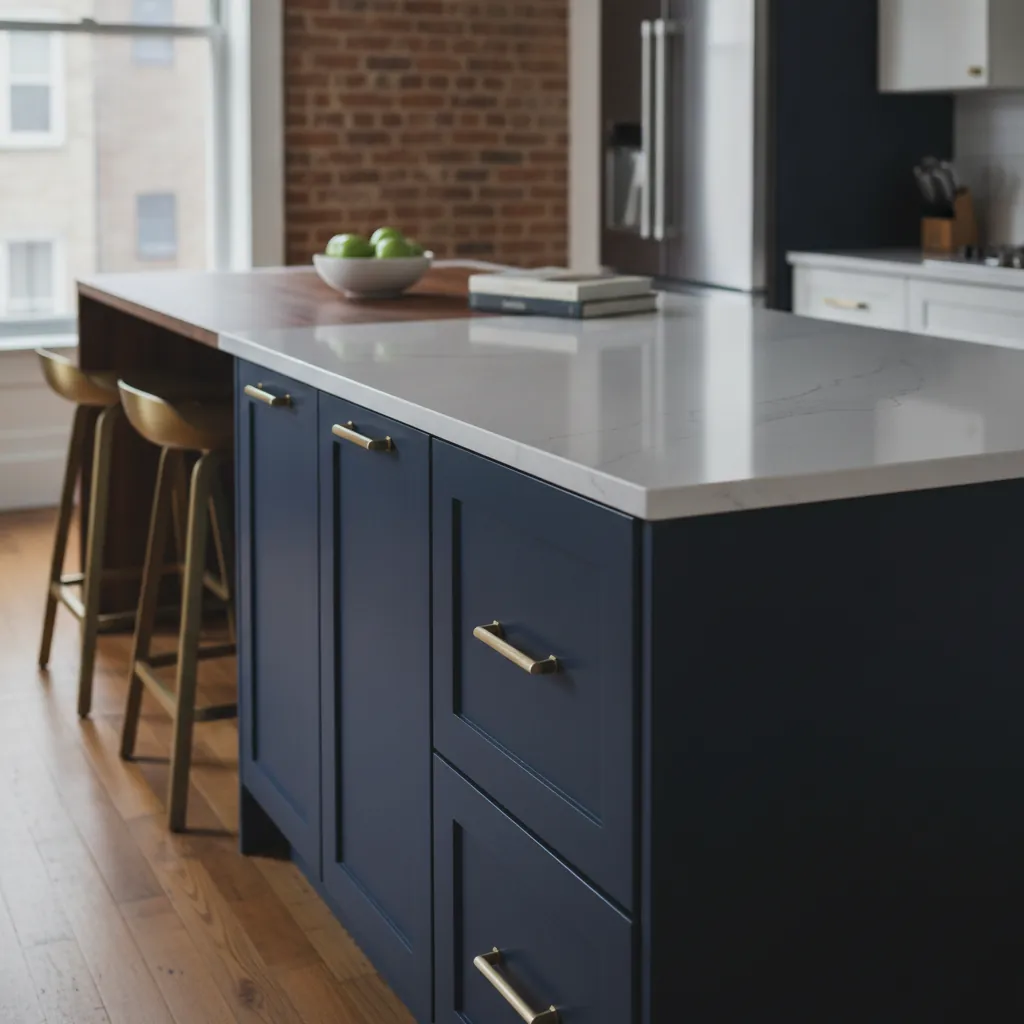
A kitchen remodel is one of the most popular renovations for Baltimore row homes, and it can significantly improve your daily life and your home's value. The cost of a kitchen remodel varies widely based on several factors: the size of your kitchen, the quality of materials you choose, and the extent of structural changes. For a typical row home kitchen in neighborhoods like Federal Hill or Hampden, a complete renovation often involves replacing cabinets, countertops, appliances, flooring, and lighting. It might also include reconfiguring the layout, which means moving plumbing and electrical lines.
When planning your budget, consider the finishes. Custom cabinets will cost more than semi-custom or stock options. Granite or quartz countertops are popular choices, but there are also more budget-friendly laminates or higher-end marble options. Appliances can range from basic models to professional-grade units. Beyond materials, labor costs for demolition, installation, and any necessary plumbing or electrical updates are a significant part of the budget. A good contractor will provide a detailed estimate that breaks down these costs, helping you understand where your money is going. We work with you to balance your vision with your financial plan.
Adding a Bathroom or Finishing a Basement in a Baltimore Row Home
Expanding usable space in a row home often means looking downwards or finding creative ways to add a bathroom. Finishing a basement can add valuable square footage, turning an unused storage area into a family room, home office, or even an extra bedroom. This project typically involves waterproofing, insulating, framing new walls, installing flooring, and adding lighting. Because basements in older Baltimore row homes can have moisture issues, addressing any water problems before finishing is a critical first step. This might involve exterior waterproofing, sump pumps, or interior drainage systems.
Adding a new bathroom, whether in a basement or by reconfiguring existing space on an upper floor, is another common request. This project involves significant plumbing work to bring water supply and drainage lines to the new location. Ventilation is also important in a new bathroom, often requiring an exhaust fan vented to the exterior. In a tight row home, finding the space for a new bathroom can be a challenge, sometimes requiring creative design solutions like a compact powder room under the stairs or a small full bath carved out of a larger bedroom closet. These projects add comfort and convenience, increasing your home's functionality and appeal.
What to Expect for Your Renovation Timeline
Understanding the timeline for your Baltimore row home renovation helps manage expectations and reduces stress. A typical kitchen or bathroom remodel, from start to finish, can take anywhere from 6 to 12 weeks of actual construction time. However, the entire process, from initial consultation to project completion, is longer. The design phase, where you make material selections and finalize layouts, can take several weeks or even a month or two, depending on how quickly you make decisions.
Then comes the permit process. In Baltimore City, obtaining permits can take anywhere from a few weeks to a couple of months, especially if your project is complex or requires review by multiple departments. Once permits are issued, the construction phase begins. This involves demolition, rough-ins for plumbing and electrical, inspections, insulation, drywall, painting, flooring, and finally, installing cabinets, fixtures, and appliances. Major projects, like a multi-room renovation or an addition, will naturally take longer, potentially extending to 4-6 months or more. We provide a project schedule upfront so you know what to expect at each stage.
Choosing the Right Contractor for Your Baltimore Project
Selecting the right contractor is the most important decision you will make for your row home renovation. You need someone experienced with Baltimore's unique homes and regulations, someone who communicates clearly, and someone you trust. Start by looking for contractors with a valid Maryland Home Improvement Commission (MHIC) license. Our MHIC# 05-147079 means Top Notch Contractors is licensed and accountable. Ask for references and look at examples of their past work, especially on row homes in neighborhoods like Towson, Canton, or Federal Hill.
A good contractor will provide a detailed, written estimate that clearly outlines the scope of work, materials, and costs. Be wary of unusually low bids, as they often indicate shortcuts or hidden costs down the line. Communication is also key. You want a contractor who listens to your ideas, answers your questions, and keeps you informed throughout the project. We believe in transparent communication and a straightforward approach, making sure you understand every step of your renovation. We are here to bring your vision to life without surprises.
Dealing with Party Walls and Shared Spaces
Renovating a row home means you are often sharing a wall, and sometimes even a roofline or foundation, with your neighbor. These "party walls" require careful consideration. If your renovation involves any work on a party wall, such as opening it up or making structural changes, you may need to notify your neighbor. Depending on the extent of the work, you might even need a party wall agreement. This is a legal document that outlines the responsibilities of each homeowner regarding the shared wall.
Even if your project doesn't directly touch the party wall, noise and vibrations can travel. Being a good neighbor throughout your renovation is important. Informing them about the project timeline, especially noisy phases like demolition, can go a long way in maintaining good relations. A professional contractor will be mindful of these shared spaces and work to minimize disruption to your neighbors, adhering to local noise ordinances and keeping the work site tidy. We understand the dynamics of Baltimore row home living and plan our projects with respect for the community.
Thinking about a row home renovation in Baltimore can feel like a big undertaking, but with the right planning and the right team, it is a rewarding experience. From navigating permits with the Baltimore City DHCD to selecting the perfect finishes for your kitchen or bath, having experienced professionals by your side makes all the difference. Top Notch Contractors has been serving Baltimore homeowners since 2010, bringing quality craftsmanship and clear communication to every project. We are here to help you transform your row home into the space you have always wanted. Call us today at 410-598-9933 to discuss your project and get an estimate.
FAQ
Q: How many years has Top Notch Contractors been licensed in Maryland? A: Top Notch Contractors has been a licensed Baltimore remodeling and home-improvement contractor (MHIC# 05-147079) since 2010, which is over 14 years.
Q: How many permits might a major row home addition require in Baltimore? A: A major addition to a Baltimore row home could require 3-5 separate permits, covering building, electrical, plumbing, and potentially zoning or historic district approvals.
Q: How long does a typical kitchen remodel in a Baltimore row home usually take for construction? A: A typical kitchen remodel in a Baltimore row home usually takes 6-8 weeks for the construction phase, after design and permitting are complete.
Q: What is the minimum number of references I should ask a contractor for? A: You should ask a contractor for at least 3 references from recent projects.
Q: What is the typical percentage of project cost that permits and inspections might represent for a major renovation? A: Permits and inspections typically represent 1-3% of the total project cost for a major renovation in Baltimore.